Author name: Best Curtain in Dubai (BCD)

At Best Curtains in Dubai, we have a deep passion for creating beautifully tailored window treatments that perfectly fit the style and needs of each of our clients. Our team of experienced designers and craftsmen take great care in every step of the process, from the initial consultation to the final installation. With a wide range of styles, materials, and customization options available, we have something to suit every taste and budget.

Best curtain colors for modern interiors | Eid home makeover ideas Curtains and blinds Edition

Eid Home Makeover Ideas: Elevate Your Space with Curtains & Blinds

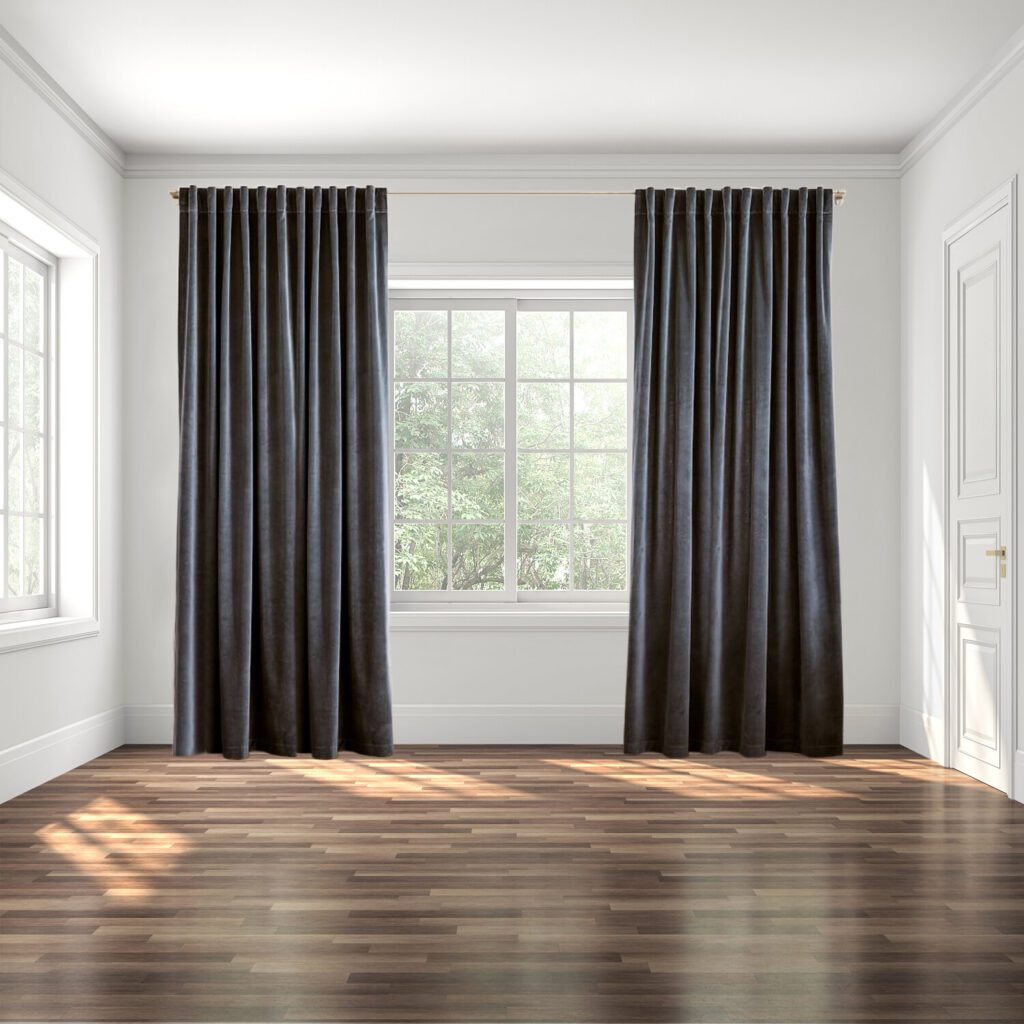
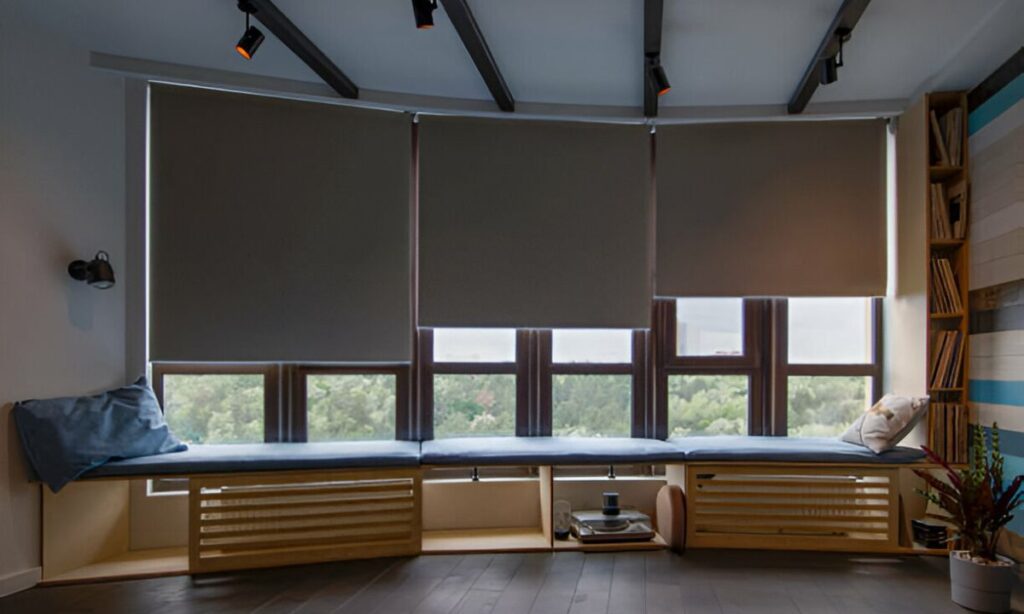
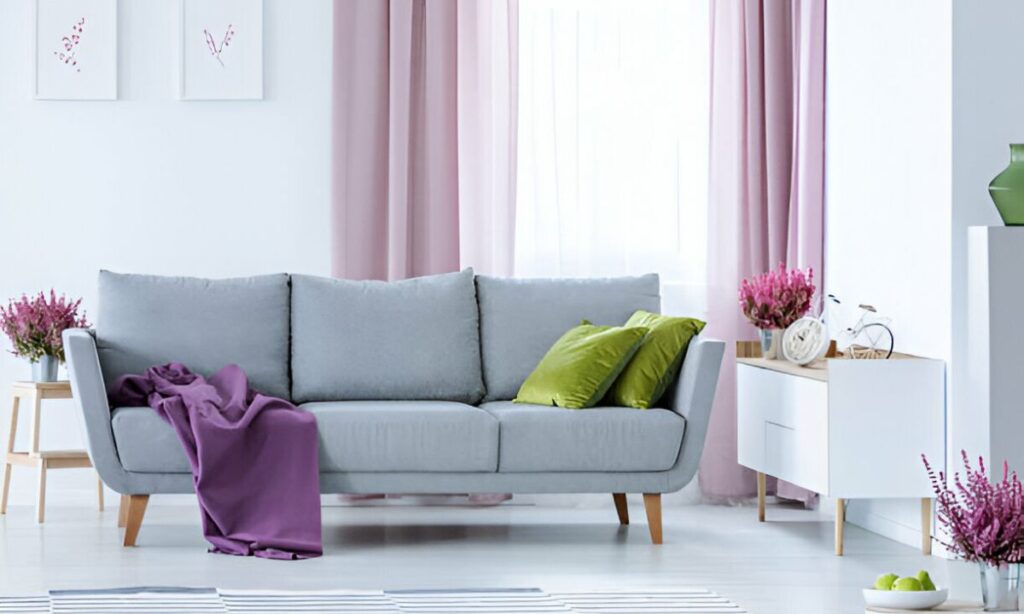
Eid is a time of celebration, reflection, and family gatherings, and what better way to celebrate this special occasion than by refreshing your home with a beautiful makeover? One of the most impactful ways to transform the ambiance of your home for Eid is by upgrading your curtains and blinds. These window treatments can dramatically enhance the atmosphere of your space, providing not only privacy and light control but also adding style and sophistication. Whether you’re looking to create a serene, peaceful environment for prayer or a festive, welcoming space for guests, the right curtains and blinds can set the tone for the occasion. At Best Curtains in Dubai, we offer a wide variety of stylish and functional curtain and blind options to help you create the perfect atmosphere for your Eid celebrations. Here are some Eid home makeover ideas Curtains and blinds Edition that focus on transforming your space. Add Luxurious Touch with Velvet Curtains Velvet is synonymous with luxury, and it’s the perfect fabric to elevate the look and feel of your home for Eid. Velvet curtains create an opulent atmosphere, making them ideal for the festive season. Whether you want to create a cozy, intimate dining room for your Eid meal or a luxurious living room to entertain guests, velvet curtains bring richness and texture to your space. Deep Colors: Velvet curtains come in a range of rich, bold colors like royal blue, burgundy, emerald green, and deep purple. These colors work perfectly for Eid, creating a vibrant and warm atmosphere that matches the spirit of celebration. Texture and Elegance: The plush texture of velvet curtains adds a tactile element to your space, making them feel inviting and luxurious. The fabric also blocks out light, ensuring a dark, serene environment during prayer times or offering privacy during family gatherings. Consider combining velvet curtains with metallic or gold accents for an even more luxurious look. You can pair them with simple, neutral-colored cushions or throws to keep the overall aesthetic balanced. Sheer Curtains for Light and Airy Vibes If you’re looking for a lighter, more ethereal look, sheer curtains are a great option for Eid. These curtains allow natural light to filter through while still maintaining privacy. Sheer curtains work well in spaces where you want to create a soft, airy ambiance without sacrificing brightness. Layering Sheer with Heavier Curtains: For more versatility, consider layering sheer curtains with a heavier drape (such as velvet or silk) for added depth and texture. This gives you the flexibility to block out light when needed while maintaining the light and fresh feeling that sheer curtains bring. Pastel Shades: Soft, pastel shades such as blush pink, light lavender, or mint green will give your space a delicate and tranquil vibe, perfect for the spiritual nature of Eid. These colors are ideal for bedrooms, living rooms, or dining areas, offering a calm atmosphere for prayer and relaxation. Sheer curtains can also help reduce the intensity of Dubai’s heat, providing a softer light while keeping your space cool during the day. Modern Roman Blinds for a Contemporary Look Roman blinds are an excellent choice for those who prefer a more structured, minimalist aesthetic. These blinds offer a sleek, modern look that can complement a contemporary home design while still providing functionality. Roman blinds are especially great for kitchens and bathrooms where you may need easy-to-operate window treatments. Silk or Linen Fabrics: For Eid, opt for Roman blinds made from luxurious fabrics like silk or linen. Silk Roman blinds offer a refined touch to any room, while linen provides a more relaxed, yet stylish vibe. Both fabrics bring texture and richness to your space without being overwhelming. Bold Patterns: If you prefer something with a bit more flair, consider Roman blinds with subtle patterns or embroidery that match the festive nature of Eid. You could even go for geometric patterns, metallic threads, or elegant florals that add a sense of celebration to your home. Roman blinds also help you control the amount of light that enters your space, ensuring you can maintain privacy while creating a comfortable environment for your family and guests. Go for Gold: Metallic Accents in Curtains and Blinds Gold accents are synonymous with celebration and luxury, making them a perfect addition to your home for Eid. Curtains and blinds with metallic elements can instantly elevate the aesthetic of any room, creating a festive and elegant ambiance. Gold Thread Embroidery: For an extra touch of glamour, choose curtains with gold thread embroidery or accents. The shimmer from the metallic threads catches the light beautifully, adding a sense of grandeur to your home. These curtains work wonderfully in living rooms or dining areas where you’ll host guests during Eid. Gold-toned Blinds: Consider gold-toned Venetian or wooden blinds for a more understated yet luxurious touch. These can be paired with elegant, neutral walls and furniture, allowing the gold accents to pop and create a refined atmosphere for your celebration. If you love the idea of metallic accents but don’t want to overwhelm the space, opt for curtains or blinds with gold trim or subtle gold detailing that complements the overall design. Blackout Curtains for Ultimate Privacy and Rest Eid is often a time for rest, reflection, and prayer. Blackout curtains are perfect for creating a serene environment for those moments. These curtains completely block out light, ensuring you have complete privacy and a peaceful, quiet atmosphere in your home. Elegant Fabrics: Choose blackout curtains made from luxurious fabrics like velvet or silk for added elegance. These curtains will not only help with light and temperature control but will also add a sophisticated touch to your home. Neutral Tones: If you prefer something more subtle, opt for blackout curtains in neutral shades like charcoal grey, cream, or ivory. These colors can easily complement any interior style, making them a versatile option for any room. Layering: Pair your blackout curtains with sheer curtains or blinds for extra light control and a layered look. This gives

Eid Home Makeover Ideas: Elevate Your Space with Curtains & Blinds Read More »
Drapes vs Curtains

Drapes vs Curtains: What’s the Difference & Which One to Choose?

When it comes to choosing window treatments, many homeowners often find themselves confused between drapes and curtains. Though the terms are used interchangeably in some contexts, they have distinct differences in terms of style, functionality, and use. Understanding these differences can help you make an informed decision about which option is best suited for your home. In this guide, we will explore the key differences between drapes and curtains, including their features, benefits, and ideal applications. What Are Drapes? Drapes are heavy, often luxurious window treatments that are typically made from high-quality fabrics, including velvet, silk, or thick cotton. They are designed to provide full coverage of a window and are usually lined to offer better light-blocking capabilities and insulation. Drapes tend to be more formal and elegant, making them a popular choice for living rooms, dining rooms, and bedrooms that require a sophisticated appearance. Key Features of Drapes: Heavy Fabric: Drapes are typically made from thicker, more luxurious fabrics. Lined for Full Coverage: Most drapes come with a lining that adds weight, block light, and provide insulation. Formal Appearance: Drapes are often associated with more formal, traditional interior designs. Floor-Length or Puddling Style: Drapes often extend all the way to the floor, and some even puddle slightly on the floor for a dramatic effect. What Are Curtains? On the other hand, curtains are lighter and less formal than drapes. They are made from a variety of fabrics, ranging from sheer materials to medium-weight options like linen, cotton, or polyester. Curtains are versatile and can be used in almost any room, providing flexibility in terms of light control, privacy, and decoration. While curtains may not offer as much insulation or light-blocking capability as drapes, they still serve as an effective window treatment. Key Features of Curtains: Lighter Fabric: Curtains are typically made from lighter fabrics like cotton, linen, or polyester. Versatile: Curtains can be used in any room and come in various lengths, colors, and patterns. Casual Appearance: Curtains offer a more relaxed and casual aesthetic compared to drapes. Functional: Curtains are designed for privacy and light filtering but may not offer complete darkness or insulation like drapes. Key Differences Between Drapes and Curtains 1. Fabric Weight One of the most notable differences between drapes and curtains is the weight of the fabric. Drapes are made from heavy fabrics, often with a luxurious feel, which allows them to hang straight and provide full coverage. Curtains, on the other hand, are lighter in weight, making them more suitable for casual or contemporary interiors. 2. Lining Drapes are typically lined, which adds a layer of fabric to the back of the material. This lining helps to block out sunlight, add insulation, and create a more polished, finished look. Curtains, however, may or may not be lined, depending on the desired level of light control and privacy. 3. Appearance and Style Drapes are considered more formal window treatments due to their heavy fabric, floor-length design, and elegant appearance. They are often used in traditional and classic home interiors. Curtains, by contrast, offer a more casual and laid-back look. They come in various styles, from floor-length to shorter options, and are perfect for spaces where a relaxed atmosphere is desired. 4. Functionality When it comes to functionality, drapes are designed to offer maximum coverage, blocking out sunlight and reducing heat or cold from entering the room. They are ideal for bedrooms or living rooms where privacy and insulation are essential. Curtains are more flexible, offering varying levels of light control and privacy but may not be as effective at blocking out sunlight or insulating the room. 5. Cost Due to their luxurious fabrics and lining, drapes tend to be more expensive than curtains. If you’re looking for a high-end, elegant window treatment, drapes are worth the investment. Curtains, being lighter and simpler, are typically more affordable and budget-friendly. When to Choose Drapes Drapes are an excellent option if you want to create a sophisticated, polished look for your home. Here are some scenarios where drapes may be the best choice: Formal Spaces: Drapes add a touch of elegance to dining rooms, living rooms, and bedrooms. Light Blocking: If you need to block out light completely (e.g., for a home theater room or bedroom), drapes are ideal due to their lining. Insulation: The thick fabric and lining of drapes help regulate the room’s temperature, keeping it cooler in the summer and warmer in the winter. Privacy: If privacy is a concern, drapes provide full coverage and block outside views more effectively than curtains. When to Choose Curtains Curtains are a great choice for spaces that require flexibility, light filtering, and a more casual aesthetic. Here are some reasons to choose curtains: Casual or Contemporary Interiors: Curtains are perfect for living rooms, kitchens, or home offices where you want to create a relaxed, airy atmosphere. Light Filtering: If you want to let some light in but still maintain privacy, curtains are a great option. Budget-Friendly: Curtains are a cost-effective solution, making them ideal for those who need window treatments on a budget. Easy Maintenance: Curtains are often easier to clean and maintain compared to drapes due to their lighter fabrics. How to Choose Between Drapes and Curtains? The choice between drapes and curtains ultimately depends on your needs, budget, and the style of your home. Here are some factors to consider when making your decision: Room Function: If you need to block out light completely (e.g., in a bedroom or media room), drapes may be your best choice. If you want more flexible light control, curtains are better. Style Preference: For a formal, luxurious look, drapes are ideal. If you prefer a more relaxed, casual vibe, curtains may be the way to go. Budget: If you’re on a tight budget, curtains are generally more affordable, while drapes are an investment in quality and style. Temperature Control: If you live in a climate like Dubai, where heat management is crucial, drapes may provide better insulation. Why

Drapes vs Curtains: What’s the Difference & Which One to Choose? Read More »

Classic Curtains Dubai | How Long Should Curtains Be for a 10-Foot Ceiling?

What Length Curtains For 10 Foot Ceilings? Expert Guide

Choosing the right curtain length for your windows can transform the look and feel of a room. If you have 10-foot ceilings, it’s important to pick the right curtain length for 10 foot ceilings to enhance the height of your room and create a harmonious, stylish atmosphere. The length of your curtains can impact the overall aesthetics of your space, making it feel more spacious or more intimate. In this guide, we’ll explore the best curtain lengths for 10-foot ceilings, how to measure properly, and offer tips on styling them for maximum effect. Why Curtain Length Matters for a 10-Foot Ceiling Curtain length is a key element in determining the look of your room. Ceiling height plays a significant role in how curtains should be chosen. A 10-foot ceiling is considered relatively high, and it provides you with the opportunity to use long, dramatic curtains that emphasize the height of the room, or alternatively, you can choose a more relaxed and modern look depending on the style of your space. The right curtain length not only enhances the proportions of the room but also provides additional functionality. It helps control natural light, improves privacy, and adds an elegant touch to your décor. Let’s take a closer look at the different curtain length options for 10-foot ceilings.   How Long Should Curtains Be for a 10-Foot Ceiling When you have 10-foot ceilings, standard curtain lengths of 84 inches or 96 inches may seem too short. To make the most of your space, you’ll likely need 108-inch curtains or 120-inch curtains. These longer curtains will create a sense of grandeur and make your windows appear taller, which can complement the height of the room. Recommended Curtain Lengths: 108-inch curtains: These curtains will fall just below the window sill and are typically the most popular choice for rooms with 10-foot ceilings. 120-inch curtains: If you prefer a more dramatic effect, 120-inch curtains will extend all the way to the floor, or even puddle slightly at the bottom for a luxurious, elegant look. How to Measure Curtains for 10-Foot Ceilings To get the right curtain length, you need to measure the height of your window and consider the look you want to achieve. Here’s how you can properly measure for curtains when you have 10-foot ceilings: 1. Measure from the Top of the Window Frame Start by measuring from the top of your window frame to the floor. If you plan to hang your curtain rod higher than the window frame (to give the illusion of taller windows), you should measure from the ceiling or the desired position of the curtain rod to the floor. 2. Consider the Curtain Rod Placement Many interior designers recommend hanging curtains 4-6 inches above the window frame to create the illusion of taller windows. This placement helps to elongate the space, drawing the eyes upward and highlighting the height of the room. If you choose to hang your rod closer to the ceiling, you’ll need longer curtains (120 inches or even custom lengths) to achieve the desired floor-sweeping effect. 3. Determine the Desired Curtain Style Floor-Length: If you want your curtains to end just at the floor, choose 108-inch curtains for a polished, clean look. Puddled Curtains: For a more dramatic effect, opt for 120-inch curtains. Letting the fabric gently puddle on the floor adds elegance and opulence to the space. Hovering Above the Floor: For a contemporary look, you can choose curtains that hover just above the floor by about 1 inch. For this style, 108-inch curtains may work best. 4. Factor in the Curtain Style Different curtain styles may require slight adjustments in length: Pleated Curtains: These will often take up more fabric at the top, so you may want to select slightly longer curtains to compensate for the pleating. Rod Pocket Curtains: These typically don’t take up much length, so you may not need as much fabric in comparison to pleated curtains. Curtain Length Tips for 10-Foot Ceilings Use Longer Curtains to Elevate the Look: If you want to accentuate your 10-foot ceilings, choose curtains that are at least 108 inches long, or even 120 inches if you want them to reach the floor with a dramatic puddle. Hanging long curtains makes your room appear taller and adds a touch of elegance. Avoid Short Curtains: Short curtains can make your space feel cramped, especially with high ceilings. Avoid opting for curtains that are too short (such as 84-inch curtains) in a room with 10-foot ceilings, as they may break up the height and create a disjointed look. Layer Curtains for Depth: Layering sheer and heavier drapes can provide additional texture and depth to a room. If you have high ceilings, layering long, luxurious drapes with light sheer curtains can help create a sense of space and airiness, while still providing privacy and light control. Consider the Fabric Type The type of fabric you choose for your curtains can affect their length. Heavier fabrics like velvet or linen may fall differently than lighter fabrics like cotton or polyester. Make sure the curtain length is long enough to compensate for the way the fabric drapes. Opt for Custom-Length Curtains If you want a truly tailored look, consider custom curtains. This is especially useful for spaces with non-standard ceiling heights or if you want your curtains to fall exactly how you envision them. Why Choose Best Curtain in Dubai (BCD)? At Best Curtain in Dubai (BCD) (BCD), we offer a wide variety of curtain styles and lengths to suit any room, including those with 10-foot ceilings. Our expert team can help you choose the perfect curtains for your space, ensuring a flawless fit and optimal look. Whether you’re interested in luxurious drapes that emphasize your high ceilings or sleek, modern curtains that offer versatility and style, we have the perfect solution for you. Our curtains are available in various fabrics, colors, and styles, and we offer both ready-made and custom options to fit your specific needs. Plus,

What Length Curtains For 10 Foot Ceilings? Expert Guide Read More »

How to Hang Grommet Curtains How to Hang Curtains Without Drilling

How to Hang Curtains Without Drilling: Easy & Damage-Free Tips

Hanging curtains can dramatically enhance the look of a room, but not everyone wants to deal with the hassle of drilling holes into their walls. Whether you’re renting an apartment, want to avoid wall damage, or simply don’t have the tools or skills to drill, there are several ways you can hang curtains without making a single hole. In this guide, we’ll explore some of the most effective methods for hanging curtains without drilling, helping you achieve a stylish and functional look without the mess or damage. Why Hang Curtains Without Drilling? There are several reasons why people prefer to hang curtains without drilling: Rental Homes: If you’re renting, you may not be allowed to drill holes in the walls. No Tools or Skills: Not everyone has the right tools or the experience to drill, making non-invasive options more appealing. Avoid Wall Damage: Drilling can damage your walls, leaving behind unsightly holes or marks that are difficult to repair. Temporary Installations: If you want to change your curtains or relocate them frequently, a non-drilling solution is a practical option. Now that we know why it’s beneficial, let’s explore the different ways you How to Hang Curtains Without Drilling: 1. Adhesive Curtain Hooks or Strips One of the easiest and most popular ways to hang curtains without drilling is by using adhesive curtain hooks or strips. These adhesive products are designed to hold curtains in place on your walls, using strong adhesive strips that won’t damage your paint or leave holes. How to Use: Choose the Right Product: Make sure to pick adhesive hooks that are specifically designed to support the weight of your curtains. Clean the Surface: Clean the area where you plan to apply the adhesive to ensure good adhesion. Place the Hooks: Attach the hooks to the wall at the desired height, ensuring they’re spaced evenly. Hang the Curtains: Once the hooks are secured, simply hang the curtain rod (or directly the curtain) on the adhesive hooks. Pros: Easy to apply and remove. No need for any tools. Works well for lightweight curtains. Cons: Not suitable for heavy curtains. Adhesive may leave residue when removed, though it can be cleaned. 2. Tension Rods If you have lightweight curtains and are looking for a simple, hassle-free way to hang them, tension rods are an excellent option. Tension rods work by using spring tension to hold themselves in place between two walls or window frames, making them ideal for smaller windows or spaces that don’t need heavy curtains. How to Use: Measure the Window: Measure the width of your window to ensure the tension rod fits. Place the Rod: Extend the tension rod and place it inside the window frame or between two walls. It should fit snugly, relying on pressure to stay in place. Hang the Curtains: Once the rod is securely in place, hang your curtains over it using curtain rings or directly through the rod pocket. Pros: Easy to install and remove. No damage to walls. Ideal for smaller or lightweight curtains. Cons: Not suitable for heavy curtains. Limited to specific window sizes (must fit the frame). 3. Magnetic Curtain Rods Magnetic curtain rods are another innovative solution that eliminates the need for drilling. These rods use magnets to attach directly to the metal parts of a window frame or surrounding area, allowing you to hang your curtains without any wall damage. How to Use: Choose a Magnetic Rod: Find a magnetic curtain rod that is designed for your window size and curtain weight. Install the Rod: Place the magnetic rod along the metal window frame or surrounding metal fixtures. The magnets will hold the rod securely in place. Hang the Curtains: Once the rod is installed, hang your curtains as you would with any traditional curtain rod. Pros: No need for wall fixtures or adhesives. Easy to remove and reposition. Works well for certain metal-framed windows. Cons: Only suitable for metal frames or areas with magnetic properties. May not hold very heavy curtains. 4. Ceiling Mounted Curtain Track (No Drilling) A ceiling-mounted curtain track is a great option for those who want a more polished, sleek look without drilling into the walls. These tracks can be installed directly into the ceiling, using adhesive or tension-based systems that don’t require any drilling. How to Use: Install Adhesive Ceiling Track: Choose an adhesive ceiling-mounted curtain track. Clean the ceiling area and apply the track with the adhesive system provided. Hang the Curtains: Once the track is securely attached to the ceiling, slide the curtain hooks onto the track and hang your curtains as desired. Pros: Works well for large windows. No wall damage, and it allows for a clean, modern aesthetic. Cons: Ceiling may not always support heavy curtains. May not be suitable for all ceiling types. 5. No-Drill Curtain Rod Brackets (Suction Cups) If you prefer to install a more traditional curtain rod, there are suction cup-based curtain rod brackets available. These allow you to secure a curtain rod in place using suction cups, making them an ideal option for those who don’t want to use adhesives or hooks. How to Use: Choose Suction Cups Designed for Curtains: Select suction cups strong enough to support the weight of your curtains and rod. Clean the Surface: Clean the surface of your window frame or wall where you plan to install the suction cups. Install the Rod: Attach the suction cups to the wall, and then slide the curtain rod into place. Pros: Works on smooth, non-porous surfaces like windows and tiles. Easy to install and remove without damage. Cons: Not suitable for heavy curtains. Suction cups may lose their hold over time. 6. Curtain Wire Systems (No Drilling) Another unique way to hang curtains without drilling is by using a curtain wire system. This system uses a wire suspended between two anchors, which can be installed using adhesive or tension-based methods. The wire can hold lightweight curtains, creating a minimalist and modern look. How to Use: Install

How to Hang Curtains Without Drilling: Easy & Damage-Free Tips Read More »

Maintenance Tips for Your Curtains | Best Way to Remove Dust from Curtains: Quick & Effective Tips

Best Way to Remove Dust from Curtains: Quick & Effective Tips

When it comes to maintaining a fresh and clean living space, one often overlooked area is the curtains. Curtains are an essential part of your home or office decor, but they also tend to collect dust and dirt over time, especially in places like Dubai where dust storms are frequent. Regular cleaning of your curtains not only enhances the aesthetic of your space but also ensures a healthier environment. In this article, we’ll explore the best ways to remove dust from curtains, helping you keep them looking fresh and beautiful. In this guide we will get a detail overview on the Best way to remove dust from curtains. Best Curtains in Dubai understands the importance of curtain care, which is why we have gathered the most effective cleaning tips to make your curtains look as good as new. Why Do Curtains Get Dusty? Curtains, like any other fabric, act as dust magnets. They trap dust, dirt, pollen, and other airborne particles from the environment. In a city like Dubai, where the air quality can be compromised by dust storms, this problem is even more pronounced. Curtains made from heavier materials like velvet or linen can accumulate dust more easily than lighter fabrics. In addition, curtains in high-traffic areas like the living room or office are more likely to gather dust quickly due to frequent movement and air circulation. It’s essential to clean your curtains regularly not only to maintain their appearance but also to improve indoor air quality. Dust particles can affect people with allergies, asthma, or respiratory issues, so ensuring that your curtains stay clean is an essential part of keeping your home healthy. Step-by-Step Guide to the best way to remove dust from curtains Let’s break down the process of cleaning your curtains into simple, easy-to-follow steps. 1. Use a Vacuum Cleaner with a Soft Brush Attachment One of the easiest and most effective ways to remove dust from your curtains is by using a vacuum cleaner. The suction power will easily remove dust particles from the fabric, while the soft brush attachment helps prevent any damage to the curtain fabric. Step 1: Attach the soft brush nozzle to your vacuum cleaner. Step 2: Gently vacuum along the length of the curtain, starting from the top and working your way down. Pay extra attention to areas near the bottom, as dust tends to accumulate there. Step 3: Make sure to vacuum both sides of the curtain for an even cleaning. Tip: Vacuum curtains once a week to prevent dust from building up. 2. Shake Them Out Sometimes the simplest method is the best. If you’re looking for a quick dusting solution, simply remove your curtains and give them a good shake. This method helps dislodge a significant amount of dust that’s accumulated over time. Step 1: Take your curtains down from their rods. Step 2: Take them outside and gently shake them, one panel at a time, to release the dust. Step 3: If the weather allows, hang them outside on a clothesline to air them out for a while. Shaking out curtains is especially effective for lighter fabrics like sheer curtains. If you have heavier curtains, you may need to follow up with vacuuming to ensure a more thorough cleaning. 3. Spot Clean with a Damp Cloth Sometimes, dust can get trapped in areas where the vacuum can’t reach. In such cases, spot cleaning is an effective method. All you need is a damp cloth to gently wipe down the fabric. Step 1: Use a soft cloth or microfiber cloth and dampen it with water. Step 2: Gently wipe the fabric in a downward motion, starting from the top and working your way down. Step 3: Make sure not to soak the fabric too much. Lightly dampening the cloth is sufficient. Tip: Always test this method on an inconspicuous area first to ensure it doesn’t damage the fabric. 4. Steam Clean Your Curtains Steam cleaning is an excellent way to remove dust and dirt from your curtains while also sanitizing them. Steam is a gentle yet effective method for cleaning delicate fabrics that cannot be machine-washed or dry-cleaned. Step 1: Hang your curtains in place, ensuring they are free of wrinkles. Step 2: Use a handheld steam cleaner and move it slowly across the fabric. Make sure to hold the steam cleaner a few inches away from the fabric to prevent water spots. Step 3: Steam both sides of the curtains to remove trapped dust particles. Steam cleaning not only removes dust but also refreshes the fabric, making your curtains look new again. This method works best for fabrics like linen, cotton, and polyester. 5. Machine Wash Your Curtains If your curtains are machine washable, this is one of the most effective ways to remove dust, dirt, and stains. However, before machine washing, always check the care label on your curtains to ensure they are suitable for washing. Step 1: Take down the curtains and remove any hooks or rings. Step 2: Place your curtains in the washing machine, using a gentle cycle to prevent any damage. Step 3: Use a mild detergent and cold water to wash your curtains. Hot water may cause the fabric to shrink or fade. Step 4: Hang the curtains back up to dry, or tumble dry on a low heat setting. For delicate curtains, like silk or velvet, it’s recommended to hand wash them or take them to a professional cleaner. 6. Dry Cleaning for Heavier Fabrics For heavier curtains made from fabrics like velvet, brocade, or heavy drapes, dry cleaning is often the best option. Dry cleaning ensures that your curtains remain in top condition, as it avoids any potential damage caused by washing or steaming. Step 1: Take your curtains to a professional dry cleaner. Step 2: Let the experts handle the cleaning process. Step 3: After cleaning, hang the curtains back in place. Dry cleaning is particularly important for luxury curtains or curtains with intricate designs that

Best Way to Remove Dust from Curtains: Quick & Effective Tips Read More »

window curtains dubai

Window Curtains Dubai: Stylish Designs for Homes & Offices

When it comes to transforming the ambiance of your home or office, choosing the right window curtains can make a world of difference. Not only do curtains serve the practical purpose of providing privacy and controlling light, but they also act as essential décor elements that elevate the overall aesthetics of your space. In a bustling city like Dubai, where design sophistication meets modern functionality, selecting the perfect window curtains Dubai is key to enhancing the beauty of your interiors. In this article, we explore the diverse world of window curtains in Dubai, showcasing the various options available, their benefits, and why Best Curtains in Dubai is your go-to source for high-quality curtains that add elegance and comfort to your living space. Why Choose Curtains in Dubai? Aesthetic Appeal and Interior Design Window curtains are more than just a functional addition to your home. They play a vital role in setting the tone for your interior décor. In Dubai, where luxury and modern design are highly valued, choosing the right curtains can instantly elevate the elegance and appeal of any room. Whether you’re looking for chic and minimalistic styles or luxurious, grand drapes, the variety of curtains available in Dubai ensures you find something that complements your style. Practical Benefits of Window Curtains In addition to their aesthetic value, window curtains in Dubai offer a wide range of practical benefits: Privacy Protection: Curtains allow you to maintain privacy in your home, especially in the busy urban environment of Dubai, where neighboring buildings are often close by. Light Control: Depending on the fabric and design, curtains can block out unwanted light or allow natural light to flood your space. This helps in creating the perfect ambiance for relaxation, work, or sleep. Temperature Regulation: High-quality curtains can help insulate your home, keeping the temperature stable by blocking out excess heat during the summer months and retaining warmth during cooler seasons. Noise Reduction: Thick curtains can also dampen outside noise, offering you a peaceful environment, which is important in the city’s busy and often noisy neighborhoods. Wide Variety of Curtain Styles in Dubai When it comes to selecting curtains for your home or office in Dubai, the choices are endless. Some of the most popular types of curtains include: Sheer Curtains: Perfect for creating an airy and light atmosphere, sheer curtains offer a soft, subtle look while still providing some degree of privacy. Blackout Curtains: Ideal for bedrooms or home theaters, blackout curtains block out nearly all light, creating a dark, quiet environment for sleeping or watching movies. Motorized Curtains: A modern luxury, motorized curtains can be controlled with a remote, offering both convenience and style. Roman Shades: Elegant and timeless, Roman shades are a great option for adding a refined touch to any room. They can be easily raised or lowered for light control. Velvet Curtains: For a more luxurious, opulent feel, velvet curtains are the go-to choice. They add richness and depth to any space. Linen Curtains: If you’re looking for something lightweight yet stylish, linen curtains are an excellent choice. They offer a casual, relaxed vibe. At Best Curtains in Dubai, we offer a wide range of curtain options, ensuring that you find the perfect match for your aesthetic and practical needs. Whether you prefer classic, timeless designs or the latest trends in window coverings, we have it all. Why Choose Best Curtains in Dubai? When you choose Best Curtains in Dubai, you are opting for unparalleled quality, style, and service. We are a leading provider of high-quality window curtains in Dubai, offering a vast selection of styles, fabrics, and designs. Here’s why we stand out from the competition: Wide Selection: We offer a diverse range of curtains, including custom-made options, ensuring you find exactly what you’re looking for. Expert Advice: Our team of experts is available to provide guidance and recommendations to help you select the perfect curtains for your home or office. Professional Installation: We offer professional installation services to ensure that your curtains are hung correctly and securely. Affordable Prices: We strive to offer the best curtains at competitive prices without compromising on quality. Timely Delivery: Our commitment to timely delivery ensures that your new curtains will be installed quickly, minimizing disruption to your daily life. How to Choose the Right Curtains for Your Home Choosing the right curtains is crucial in achieving the desired look and feel for your space. Here are some key factors to consider when selecting window curtains in Dubai: Room Type: Consider the room’s function when selecting curtains. For example, sheer curtains are ideal for living rooms where you want natural light, while blackout curtains are perfect for bedrooms for a peaceful night’s sleep. Color Scheme: Curtains should complement the room’s color palette. Neutral shades like white, beige, and gray are versatile and blend well with most décor, while bold colors can make a statement. Fabric Type: The fabric you choose will influence the curtain’s appearance and functionality. Heavier fabrics like velvet and silk offer a luxurious look and are ideal for formal spaces, while lightweight fabrics like linen or cotton are better suited for a more casual vibe. Style Preferences: Choose a style that reflects your personal aesthetic. Whether it’s the sleek look of modern curtains or the classic elegance of drapes, there is a style to suit every taste. Budget: Determine your budget before making a purchase. At Best Curtains in Dubai, we offer a wide range of options to fit different budgets, without compromising on quality. The Best Curtain Fabric Choices for Dubai’s Climate Dubai’s climate is hot and sunny for most of the year, which means that the type of fabric you choose for your curtains can have a significant impact on your comfort. Here are some of the best fabric choices for Dubai’s climate: Polyester: This fabric is durable, resistant to fading, and easy to maintain. It’s an ideal choice for the hot and sunny Dubai weather. Linen: Linen is lightweight and breathable, perfect for keeping

Window Curtains Dubai: Stylish Designs for Homes & Offices Read More »

Motorized curtains vs manual curtains

Motorized Curtains vs Manual Curtains: Which is Best for You?

When it comes to choosing the ideal curtains for your home, the choice between motorized curtains and manual curtains plays a significant role in both functionality and style. With the rise of smart home technologies, motorized curtains have become increasingly popular, but manual curtains continue to be a staple for many homeowners. In this guide, we will break down the differences between motorized and manual curtains to help you determine which option is best for your home in Dubai. The Importance of Choosing the Right Curtains in Dubai Dubai’s hot climate and intense sunlight require curtains that can regulate light, provide privacy, and enhance the aesthetic of your space. Whether you live in a modern apartment or a luxurious villa, your curtains must meet both functional and decorative needs. Motorized curtains and manual curtains each have their own advantages, depending on the level of comfort and sophistication you desire.   What Are Motorized Curtains? Motorized curtains are automated window treatments that are operated using a remote control, smartphone app, or a wall-mounted switch. These curtains are equipped with an electric motor that opens or closes the curtains with the push of a button. They are often integrated into smart home systems, allowing for advanced features such as timers, sensors, and remote operation. Advantages of Motorized Curtains 1. Convenience and Comfort The main appeal of motorized curtains is the level of convenience they offer. With a touch of a button, you can open or close the curtains without having to physically pull on them. This is especially useful for large windows, hard-to-reach areas, or in rooms with high ceilings. Best for: People with large windows, modern homes, or individuals seeking a more comfortable and tech-savvy option. 2. Integration with Smart Home Systems Motorized curtains can be integrated with smart home technology, meaning you can program them to open and close at specific times of the day, based on your preferences. For example, you can set your curtains to automatically close when the sun reaches a certain angle or open in the morning as part of your daily routine. Best for: Tech enthusiasts, smart home users, or anyone looking to add a layer of convenience to their home. 3. Enhanced Privacy and Security Motorized curtains can be scheduled to open and close at specific times, adding a level of privacy to your home without requiring you to manually operate the curtains. Additionally, this automation can create an impression that someone is home, providing an added sense of security when you’re away. Best for: Homeowners concerned with privacy and security, especially those living in busy or visible areas. 4. Ideal for Hard-to-Reach Windows For windows that are too high or located in difficult-to-access areas (like vaulted ceilings or large glass walls), motorized curtains are a practical solution. You won’t have to worry about using ladders or struggling with long curtain rods. Best for: Homes with tall or hard-to-reach windows, or large glass facades. 5. Minimal Maintenance Motorized curtains often require less manual handling, which means less wear and tear on the fabric and the curtain hardware. Over time, this can reduce the need for repairs or replacements, ensuring the longevity of your curtains. Best for: Homeowners seeking long-term durability with minimal upkeep. Disadvantages of Motorized Curtains While motorized curtains offer numerous benefits, they also come with a few potential drawbacks: Higher Cost: Motorized curtains are generally more expensive than manual curtains due to the technology and installation costs. Additionally, smart features like app control and integration with home automation systems can increase the price. Electrical Dependency: Motorized curtains rely on electrical power to function. If there’s a power outage or a malfunction in the system, the curtains might not operate as expected. Installation Complexity: Installing motorized curtains often requires professional assistance, especially if you plan to integrate them with a smart home system. What Are Manual Curtains? Manual curtains are traditional window coverings that are operated by hand. With a simple pull on the curtain cord or by physically drawing the fabric across the rod, manual curtains give you full control over how you want your curtains to open and close. Advantages of Manual Curtains 1. Lower Initial Cost Manual curtains are typically much less expensive than motorized curtains. The cost of the curtain fabric, rod, and installation is much lower, making them a great choice for homeowners on a budget. Best for: Budget-conscious homeowners who prefer a traditional approach. 2. No Dependence on Electricity One of the key advantages of manual curtains is that they don’t require electrical power to operate. This makes them a reliable option that will continue to work even during power outages. Best for: Homeowners in areas prone to power outages or those who want to avoid electrical dependency. 3. Simple Installation and Maintenance Manual curtains are straightforward to install, and you don’t need any special equipment or professional help to set them up. Maintenance is minimal, and there’s no need to worry about electrical or motor malfunctions. Best for: DIY enthusiasts or those who prefer simplicity and ease of installation. 4. Full Control Manual curtains offer a sense of complete control. You can adjust them to your desired position with precision, and there’s no reliance on a motor to operate them. This allows for a more hands-on, personalized experience. Best for: Those who prefer tactile control over automation and want to be fully involved in the process. Disadvantages of Manual Curtains Although manual curtains are simpler and more affordable, they do have a few downsides: Effort Required for Operation: Unlike motorized curtains, manual curtains require physical effort to open and close. This can be cumbersome, especially for large or heavy curtains or hard-to-reach windows. Wear and Tear: With frequent use, manual curtains are more likely to experience wear and tear, especially in the cords or fabric, due to the physical handling required. Limited Functionality: Unlike motorized curtains, manual curtains do not offer automated or smart features. They are more traditional in nature and lack the convenience

Motorized Curtains vs Manual Curtains: Which is Best for You? Read More »

How to Layer Curtains for a Stylish Look | Best Curtain in Dubai (BCD)

How to Layer Curtains for a Stylish Look | Best Curtain Dubai

Layering curtains is one of the most effective ways to elevate your home decor and add a touch of sophistication. Whether you’re looking to create a cozy and inviting atmosphere or a bold statement piece, the right combination of curtains can transform any space. If you want to enhance your home with a stylish look, this guide will walk you through how to layer curtains the right way. At Best Curtain in Dubai (BCD), we are experts in offering high-quality, stylish window treatments that can help you achieve the perfect layered look. Read on to discover our tips for styling layered curtains for every room! What is Layering Curtains? Layering curtains involves using multiple curtain panels or different types of window coverings to create a sophisticated, polished, and functional window treatment. By combining materials, colors, or designs, you can achieve a balanced look that allows you to control the light, privacy, and aesthetics of your space. This technique allows you to customize the look of your windows and offers flexibility. You can play with the textures and colors to reflect your personality or match the overall theme of your home. Most commonly, people layer sheer curtains with heavier drapes, but there are various ways to experiment with this technique. Why Should You Layer Curtains? Layering curtains is not only about aesthetics; it serves functional purposes as well. Here are some benefits of layering curtains: Enhanced Privacy: By adding multiple layers of curtains, you can better control visibility and privacy, particularly in areas where you need more security. Light Control: Sheer curtains allow natural light to flow into a room, while heavier curtains can block out the sunlight when needed, perfect for afternoon naps or reducing glare on your screens. Insulation: Layers of curtains can help to insulate your windows, keeping the temperature stable in your home and potentially saving on energy bills. Style: Layering gives your windows a designer look, adding texture, depth, and dimension. It’s an easy way to make your room feel more luxurious. Versatility: Layering allows you to switch the appearance of your room according to your mood or the season. You can opt for lighter, airy curtains in the warmer months and thicker, heavier ones during colder months.   How to Choose the Right Curtains for Layering When selecting curtains for layering, it’s important to consider fabric, color, and texture. Here are some tips for choosing the right curtains to layer: Fabric: Choose curtains made from different fabrics for varied effects. A sheer fabric paired with a heavier material like velvet, linen, or cotton can create an elegant look while providing the functionality of both privacy and light filtration. Color: Opt for colors that complement each other. Lighter tones tend to blend well with darker, richer tones. If you want to experiment with bolder colors, make sure to balance them with neutral shades. Texture: Mixing textures adds depth and visual interest to your windows. For instance, combining a smooth silk curtain with a more textured linen curtain will give your room a multi-dimensional look. Patterns: Play with patterns but ensure they don’t clash. Pairing a solid-colored curtain with a patterned one can create a harmonious look that feels modern and stylish. Step-by-Step Guide: How to Layer Curtains for a Stylish Look Layering curtains isn’t as tricky as it may seem. With the right approach, you can make your windows the focal point of your room. Follow this step-by-step guide to layer curtains like a pro! 1. Start with the Sheer Curtain Layer Start by installing a sheer curtain as the first layer. Sheer curtains are lightweight, breathable, and allow soft natural light to filter into the room. This is particularly useful for living rooms and bedrooms where you want to enjoy daylight without sacrificing privacy. Choose sheer curtains in a neutral color, such as white, beige, or soft pastels, for a subtle effect. Alternatively, you can select a bold color or pattern if you’re aiming for a more dramatic look. 2. Add a Heavier Curtain Layer Once you have your sheer curtains in place, add a heavier curtain as the second layer. This could be a thicker fabric like velvet, damask, or wool. This heavier curtain provides more privacy and light-blocking capabilities when drawn. When choosing the heavier curtain, consider the overall mood of the room. For a cozy, warm feeling, choose rich, dark colors like navy or forest green. For a more sophisticated look, try muted shades like grey or taupe. 3. Select the Right Curtain Rod The curtain rod is just as important as the curtains themselves when layering. Opt for a double curtain rod, which allows you to hang two sets of curtains simultaneously. The outer rod should hold the heavier curtains, while the inner rod can hold the sheer ones. Make sure your curtain rod is sturdy enough to hold both layers. Also, ensure the rods complement your room’s aesthetic, whether it’s sleek and modern or ornate and classic. 4. Play with the Length of the Curtains To achieve a chic, designer look, experiment with curtain lengths. A common approach is to let your heavier curtains pool on the floor slightly for an elegant touch. This works particularly well in formal areas like the dining room or living room. For a more casual look, opt for curtains that just brush the floor, ensuring they don’t bunch up too much. This gives a cleaner, more minimalist feel to the room. 5. Coordinate with Your Furniture and Walls While layering curtains, it’s important to think about the room as a whole. The curtains should blend seamlessly with your furniture, wall color, and accessories. If your room is already filled with bold colors or patterns, go for neutral curtains to balance out the design. If your space is more minimalist, you can experiment with contrasting hues and textures. 6. Add Decorative Tiebacks or Holdbacks Tiebacks and holdbacks are great additions to layered curtains. These accessories help to gather the curtains at the sides, allowing

How to Layer Curtains for a Stylish Look | Best Curtain Dubai Read More »

Curtains JBR | How to choose curtain rods

How to Choose Curtain Rods: Expert Tips for the Perfect Fit

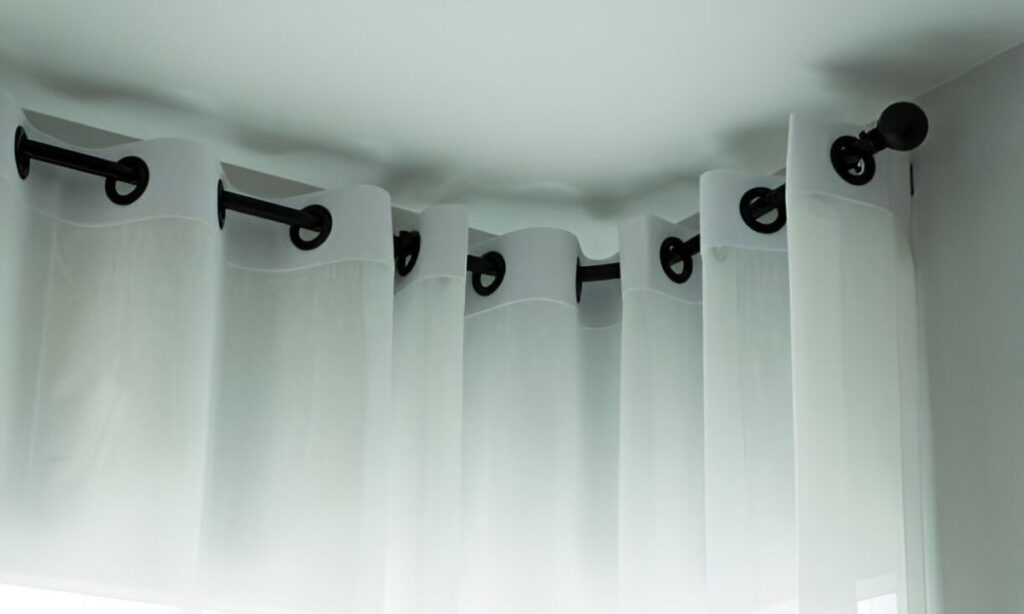
Curtains are one of the most versatile and impactful elements of home décor. While the fabric and design of your curtains undoubtedly set the tone, curtain rods play an equally crucial role in bringing everything together. A well-chosen curtain rod not only enhances the aesthetic of your windows but also ensures functionality, durability, and ease of use. In this guide, we’ll walk you through how to choose the perfect curtain rod for your home, keeping in mind style, size, material, and more. Why Curtain Rods Matter Choosing the right curtain rod is essential for several reasons: Aesthetic Appeal: Curtain rods are available in a variety of styles, colors, and finishes, which means they can complement or contrast with your curtain design. Durability and Strength: The right rod will be strong enough to support your curtains, especially if they are heavy. Functionality: The rod affects how smoothly your curtains open and close. A sturdy, well-chosen rod makes daily use more convenient. Let’s dive into the steps to find how to choose curtain rods  for your space. 1. Consider the Style of Your Curtains The first step in choosing the right curtain rod is to consider the style of your curtains. The curtain rod should complement both the aesthetic of your room and the style of the curtains you have chosen. a. Rod Pocket Curtains If your curtains have a rod pocket (a sewn-in channel at the top of the curtain), you’ll want a slim, discreet rod that won’t distract from the fabric. A basic metal rod or tension rod often works best. b. Grommet Curtains For grommet curtains, a thicker, sturdier rod is ideal, as grommets require a smooth surface to slide across. A decorative rod with finials can enhance the look, while a metal rod ensures durability. c. Tab Top Curtains With tab top curtains, a simple and sleek rod is the best option. Since the fabric loops over the rod, you don’t need anything too decorative. A rod that can hold the weight of the fabric without sagging is essential. d. Pleated Curtains For pleated curtains, you will need a rod with hooks or rings. A traditional curtain rod with rings is the best option for this type of curtain, providing smooth movement while maintaining an elegant look. 2. Measure the Right Length The length of the curtain rod is crucial to achieving the right look and ensuring that your curtains function properly. Here’s how to measure correctly: Width of the Window: The curtain rod should extend beyond the edges of the window. As a general rule, extend the rod 6-12 inches beyond the window frame on each side. This will make your window appear larger and allow the curtains to fully cover the window when drawn. Height of the Rod: For a more dramatic effect, hang your curtain rod closer to the ceiling. If you want to make a room appear taller, install the rod about 4-6 inches above the window frame. If you have high ceilings, you can opt for a rod that extends 7-8 inches above the window. Rod Length: When choosing the length of your curtain rod, measure the total width of the window (including extra width on both sides for full coverage) and add extra space for the brackets. Curtain rods typically come in standard lengths of 48-144 inches, but they can be customized for larger windows. 3. Choose the Right Material for Durability and Style Curtain rods come in various materials, each offering a different look and feel. The material you choose should match the style of your room, as well as the weight of your curtains. Here are some common materials: a. Wooden Rods Wooden rods are a great choice for adding warmth and elegance to a room. They work especially well with traditional, rustic, or farmhouse-style décor. Wooden rods are typically more decorative, with intricate carvings or natural finishes. Best for: Heavy curtains, classic designs. Pros: Elegant, sturdy, customizable. Cons: Can be expensive, may not be suitable for modern or industrial styles. b. Metal Rods Metal rods are more modern and versatile. They are often sleek, simple, and available in a range of finishes, including brass, chrome, brushed nickel, and matte black. Metal rods are durable and can support heavier curtains. Best for: Modern, industrial, or minimalist décor. Pros: Strong, easy to maintain, wide variety of styles. Cons: Can be prone to rust if exposed to moisture (choose coated or stainless steel for durability). c. Acrylic or Glass Rods Acrylic or glass rods offer a contemporary and chic look, often appearing sleek and transparent. They work well in rooms where you want the curtains to be the focal point, without the rod distracting from them. Best for: Modern or minimalist décor. Pros: Light, visually unobtrusive, chic. Cons: Less durable, may not support heavy curtains. d. Brass or Bronze Rods Brass or bronze rods add a touch of luxury and warmth to a room, ideal for vintage, traditional, or luxurious interiors. They often feature decorative finials and can be paired with elegant drapes. Best for: Classic, luxurious, or vintage décor. Pros: Durable, adds sophistication. Cons: Can tarnish over time, might not suit modern interiors. 4. Choose the Right Rod Thickness The thickness of the curtain rod is crucial for both functionality and style. A thicker rod offers better support for heavier curtains, while a thinner rod works well for lighter materials. Lightweight Curtains: For curtains made of sheer or lightweight fabrics, a thinner rod (about 1 inch in diameter) works best. Heavy Curtains: For heavier fabrics like velvet or blackout curtains, opt for a thicker rod (about 1.5-2 inches in diameter) to support the weight and ensure durability. 5. Select the Right Finials Finials are the decorative ends of a curtain rod, and they can significantly impact the overall look of your curtains. There are various types of finials, from simple and sleek to ornate and decorative. Consider your room’s style when selecting finials: Modern Styles: Go for clean, simple finials

How to Choose Curtain Rods: Expert Tips for the Perfect Fit Read More »

Dubai curtains online | How to choose curtains for a rental apartment

How to Choose Curtains for a Rental Apartment: Best Tips & Ideas

Choosing the right curtains for a rental apartment can be a tricky process. As a renter, you want to make your space feel like home without making permanent changes or investing in high-end solutions that might not work for your next place. The key is to strike a balance between style, functionality, and temporary solutions that can be easily adapted when you move. In this guide, we’ll walk you through essential factors to consider when choosing curtains for a rental apartment. In this guide we will get to know how to choose curtains for a Rental Apartment. Why Curtain Choice Matters in a Rental Apartment Curtains play an important role in enhancing both the aesthetics and functionality of your living space. In a rental, they’re especially important for: Privacy: Many rental apartments may have windows that are close to neighbors or on ground floors. Curtains are essential for creating privacy. Light Control: You’ll need curtains that can block or filter light depending on your needs. This can be particularly crucial in bedrooms or living rooms. Style: Curtains offer an opportunity to infuse personality into a space without making permanent changes, like painting or installing wallpaper. 1. Consider Your Landlord’s Rules Before you start shopping for curtains, make sure you understand your landlord’s policies regarding window treatments. Some landlords may have restrictions on drilling holes in the walls or installing heavy curtain rods. Always check your lease agreement or ask your landlord about: Drilling: Some landlords might not allow you to drill into the walls to install curtain rods. Window treatments: Some properties may come with window blinds, which might require you to work with them or complement them with additional curtains. If you’re unable to drill, don’t worry. There are plenty of options available that don’t require any holes in the wall. 2. Choose a Temporary or No-Drill Curtain Rod If your lease doesn’t allow drilling or you simply prefer not to make permanent alterations, no-drill curtain rods are your best friend. These rods don’t require any holes in the wall and are easy to install and remove. Here are a few options: a. Tension Rods Tension rods are a great choice for lightweight curtains. They can be installed inside window frames or between walls, and they create a clean, simple look. They are perfect for bathrooms, kitchen windows, or smaller rooms. b. Adhesive Curtain Rod Brackets These adhesive brackets allow you to hang curtain rods without drilling holes in the wall. While not as sturdy as traditional rods, they are perfect for lightweight curtains and work well for sheers or lightweight fabrics. c. Magnetic Curtain Rods If you’re looking for a creative and modern solution, magnetic curtain rods can be mounted on metallic window frames. They’re easy to set up and don’t require screws or drilling. 3. Choose the Right Curtain Fabric for Your Needs When selecting curtain fabric, consider the purpose of the curtains in each room and the climate in your area. Here’s a breakdown of popular curtain fabrics and their advantages: a. Sheer Curtains Sheer curtains are a popular choice for living rooms or bedrooms where you want to let in natural light while maintaining privacy. They create an airy, open feeling and work well in spaces that need a soft, light touch. Pros: Let in light, airy and modern. Cons: Don’t block much light or provide much privacy on their own. b. Blackout Curtains If you’re in a rental apartment with poor insulation or want to create a dark, quiet environment for sleeping, blackout curtains are ideal. They block out most of the sunlight and provide a sense of privacy. Pros: Ideal for bedrooms, reduces noise, and provides excellent light blocking. Cons: Can make rooms feel darker or cozier. c. Thermal Curtains Thermal or insulated curtains are perfect if you want to control the temperature in your apartment. They help keep your apartment cooler in the summer and warmer in the winter, making them particularly useful in climates like Dubai. Pros: Energy-saving, helps with temperature control. Cons: Can feel heavy or bulky. d. Linen or Cotton Curtains Linen or cotton curtains are great for creating a relaxed, casual look. These natural fabrics are perfect for the warmer months or when you want a breezy, light feeling. They allow a bit of light through but still maintain privacy. Pros: Natural feel, light and breathable. Cons: Can wrinkle easily and might not block much light. e. Velvet or Heavy Curtains For a more luxurious, elegant look, velvet or heavier curtains are great. These are perfect for living rooms or dining rooms where you want to add texture and drama. They also provide privacy and block out a lot of light. Pros: Elegant, good for temperature control, and privacy. Cons: Can be heavy, might feel too formal for smaller spaces. 4. Color and Pattern Considerations When choosing curtains for a rental apartment, you want them to complement the existing décor while adding something special to the room. Here’s what to keep in mind: Neutral Colors: Light neutral colors like whites, greys, and beiges are safe bets for rental apartments. These shades are versatile and work well with a variety of furniture styles. Bold or Dark Colors: If your walls are neutral, consider bold colors like navy, emerald green, or burnt orange. Darker shades can make a space feel cozier, but be mindful of how they affect the room’s lighting and mood. Patterns: Patterned curtains can add personality and style. Geometric, floral, or striped curtains work well for modern spaces. Keep in mind that small patterns are less likely to clash with your room’s décor. Match Your Existing Furniture: Choose curtain colors and patterns that complement or contrast with your furniture, bedding, and wall colors. 5. Length and Size Matters When hanging curtains in a rental apartment, measure the width and length carefully before purchasing. a. Length: For a more formal look, curtains that just touch the floor or slightly pool on the floor are ideal. For a

How to Choose Curtains for a Rental Apartment: Best Tips & Ideas Read More »

Scroll to Top

Request a call back

Need Help

+971501923262

Need Help

dubaicurtainshop62@gmail.com

Curtains in JVC| Best Curtains for Apartments vs Villas | Motorized Curtains in Dubai